The Wheatbelt Way is a stunning and diverse self-drive trail through one of Western Australia’s most unique regions. From wide open skies to granite outcrops, vibrant wildflowers and welcoming towns—there’s a lot to discover. The self-drive trail consists of nine wheatbelt towns (Dowerin, Koorda, Beacon, Westonia, Nungarin, Wyalkatchem, Bencubbin, Mukinbudin and Trayning) so it’s safe to say there’s a lot of ground to cover, across lots of different terrains and as a traveller you need to be prepared for anything.
But as recent events have shown, it’s important to plan ahead, travel smart, and take a few extra steps to make sure your trip is safe and enjoyable, especially if you’re heading off the beaten track.
Here are our top safety tips to help you explore the Wheatbelt Way with confidence
1.Stick to the Wheatbelt Way Self Drive Trail
The Wheatbelt Way route has been carefully planned to guide you safely through the best parts of the region. It includes marked roads, interpretive sites, reliable services, and welcoming towns. Download the free Wheatbelt Way app to access an interactive map, geolocation support, and tips along the way—even with limited or no reception. It’s your pocket travel buddy.
2.Phone Coverage: Telstra-Only, Please
Mobile reception can be patchy across the Wheatbelt outside of the main townsites, particularly in nature reserves and more remote areas. The most reliable mobile coverage in the region is with Telstra (main network only).
Avoid third-party providers like Boost, Aldi, or Belong—they often don’t have access to the full Telstra network and may leave you stranded without service when it matters most.
3.Tell Someone Your Plans
Before you set off, share your travel itinerary with a friend or family member, let them know via text or phone call where you’re heading and what attraction you are going to explore incase of emergencies. Especially if you’re heading into remote areas like nature reserves, granite country, salt-lakes or backroads, this simple habit could be lifesaving.
4. Carry a Personal Locator Beacon (PLB) or Sat Phone
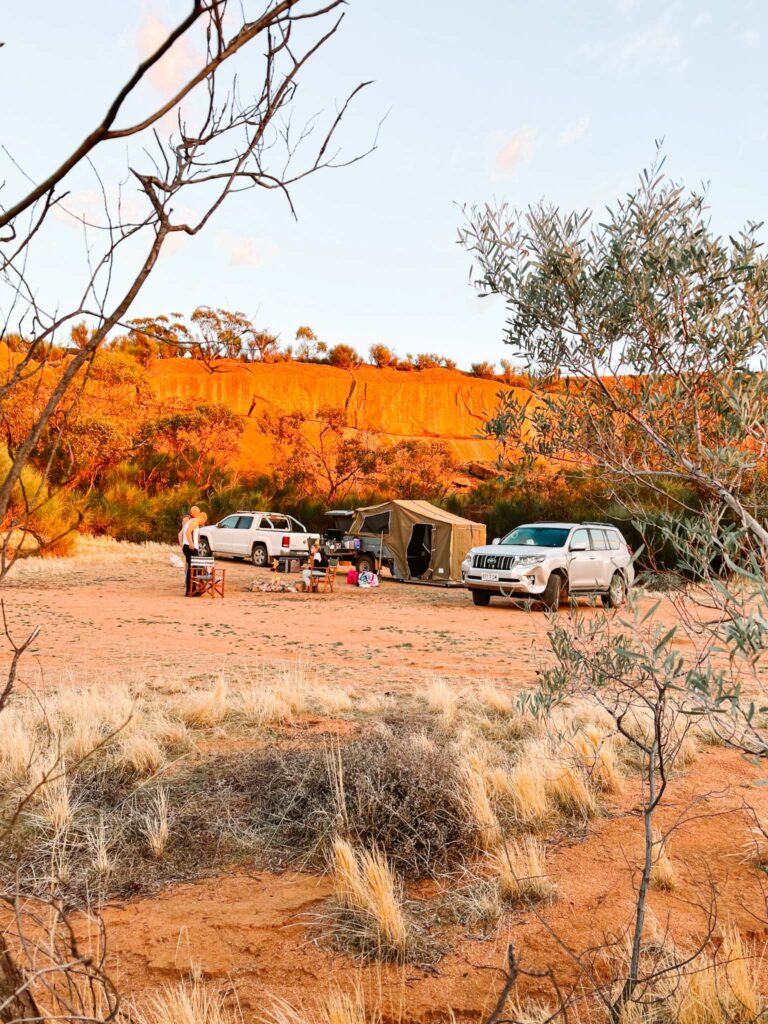
For added peace of mind, consider travelling with a PLB, EPIRB, or satellite phone—especially if you’re planning to camp or explore away from town centres. These devices allow you to send an emergency signal even without mobile reception. In some instances, you may even be able to hire them. You may even want to consider investing in a Starlink Mini, so you can have phone coverage no matter where you are.
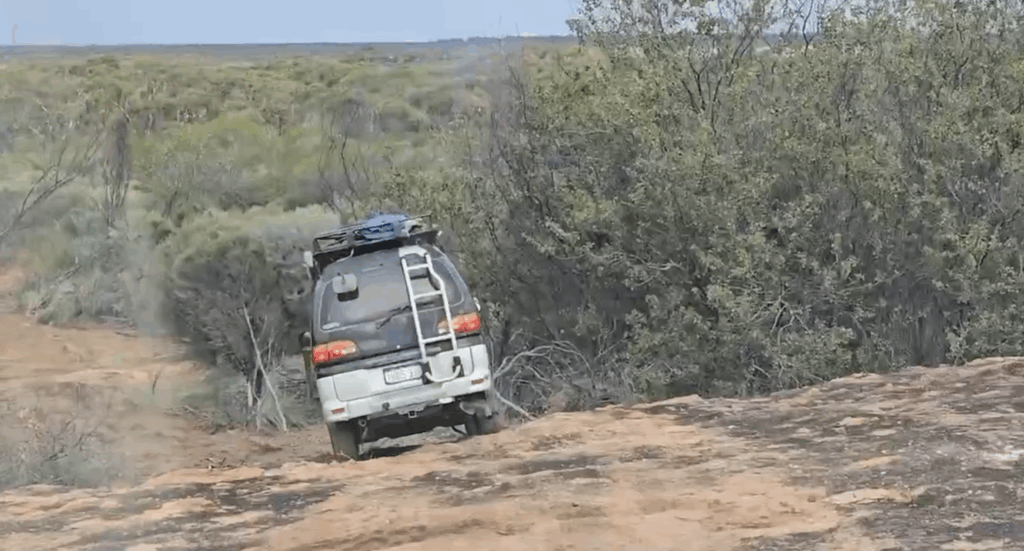
5. Prepare Your Vehicle for Remote Travel
A well-maintained vehicle is non-negotiable when travelling through regional WA. Make sure you’ve:
- Check your tyres and carry a good spare
- Packed a jack, wheel brace and basic tools
- Fill your water containers (allow at least 3L per person per day)
- Got enough fuel onboard for long stretches between towns
Use the Wheatbelt Way app or website to check the location of fuel stops—some stations have limited hours, while others are 24-hour card facilities. If something does happen when out on a road trip – stay with your car!
Check these websites out to guide you in giving your vehicle a once-over:
6. Visit a Local Visitor Centre Before You Set Out
Local visitor centres are your best resource for up-to-date advice on:
- Road closures or weather conditions
- Fuel availability
- Local attractions and access points
- Safety considerations for walking trails, bushland, or camping areas
Pop in, say hello, and let them know where you’re headed—they’ll often have maps, tips, or alternate suggestions you might not have considered.
Our Local Visitor Centre’s Information
7. Be Extra Prepared During Wildflower Season
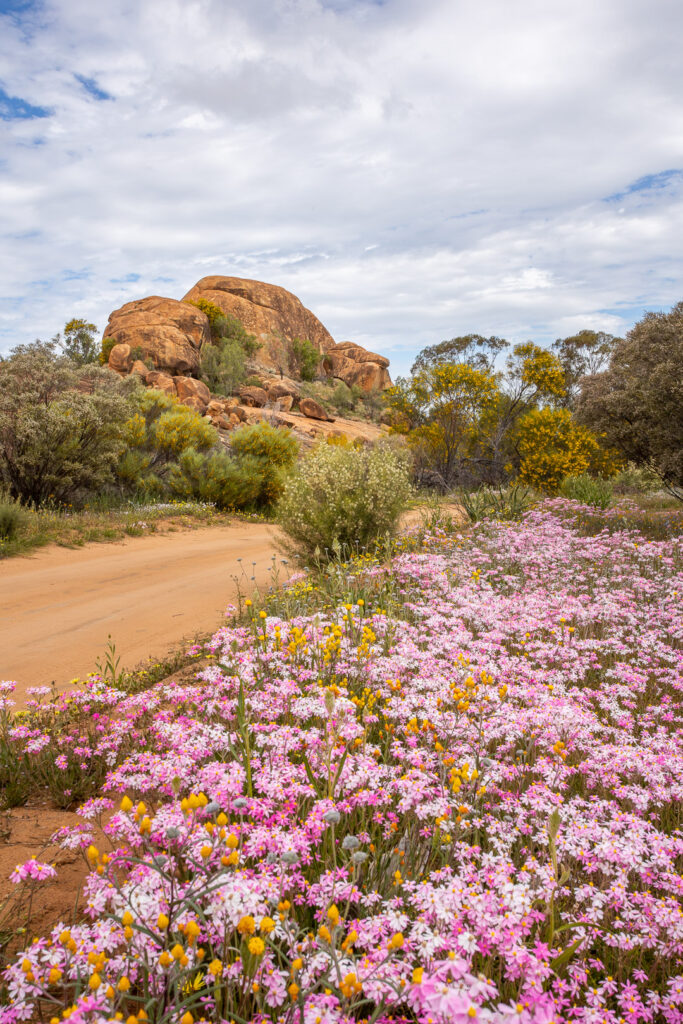
Our wildflower season (August–October) draws hundreds of visitors, many of whom are eager to explore more remote reserves and unsealed roads. While it’s a magical time, the increased visitor numbers also mean increased risk if people are underprepared or travelling solo. Take your time, drive cautiously and to road conditions (especially on gravel), and follow all local signage and advice.
The Wheatbelt Way is full of beauty, stories, and surprises—but it’s still country WA. The weather changes, reception drops out, and distances can be deceiving. That’s part of the adventure—but with a bit of preparation, you’ll have the knowledge and tools to explore with confidence.
Check the conditions of local roads here
8. In the unlikely event of an emergency
- Stay with your vehicle at all times (it’s much easier for emergency services to find a vehicle as opposed to a little person)
- Ensure you have a first aid kit
- Stay calm
We’re so glad you’re coming to visit—see you out there on the trail!